On 29 June 2026, Professor Scarlet, Dean of the School of Communication at The Hang Seng University of Hong Kong, was invited to attend the “GBA (Dongguan) Brand Conference 2026” as a guest speaker. In her presentation, titled How Social Media Utilises AI to Enhance Brand Preference, Professor Tso discussed AI’s pivotal role in shaping modern branding strategies. The conference, which brought together approximately 500 experts, government officials, business leaders, and academics, revolved around the theme Brands in AI Era. It focused on exploring how artificial intelligence (AI) is empowering brand innovation and positioning Greater Bay Area (GBA) brands for global success.
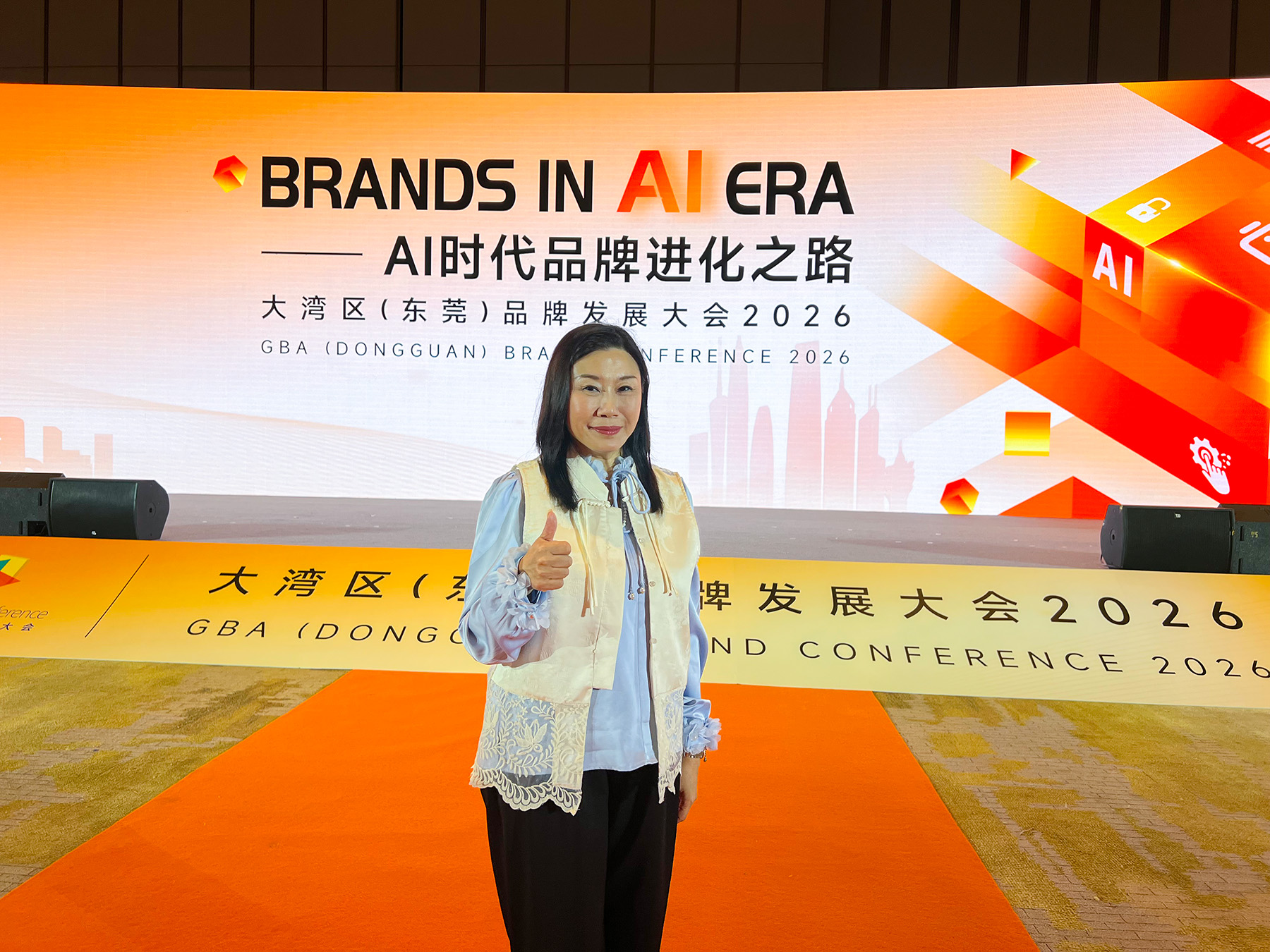
Prof. Tso was invited to attend the “GBA (Dongguan) Brand Conference 2026” as a guest speaker
Professor Tso’s Keynote Address: Leveraging AI for Enhancing Brand Preferences on Social Media
Professor Tso’s address offered an academic and pragmatic exploration of how social media, powered by AI technologies, cultivates and amplifies brand preferences. Her presentation outlined critical challenges, innovative applications, and solutions for making AI an instrumental part of brand development.
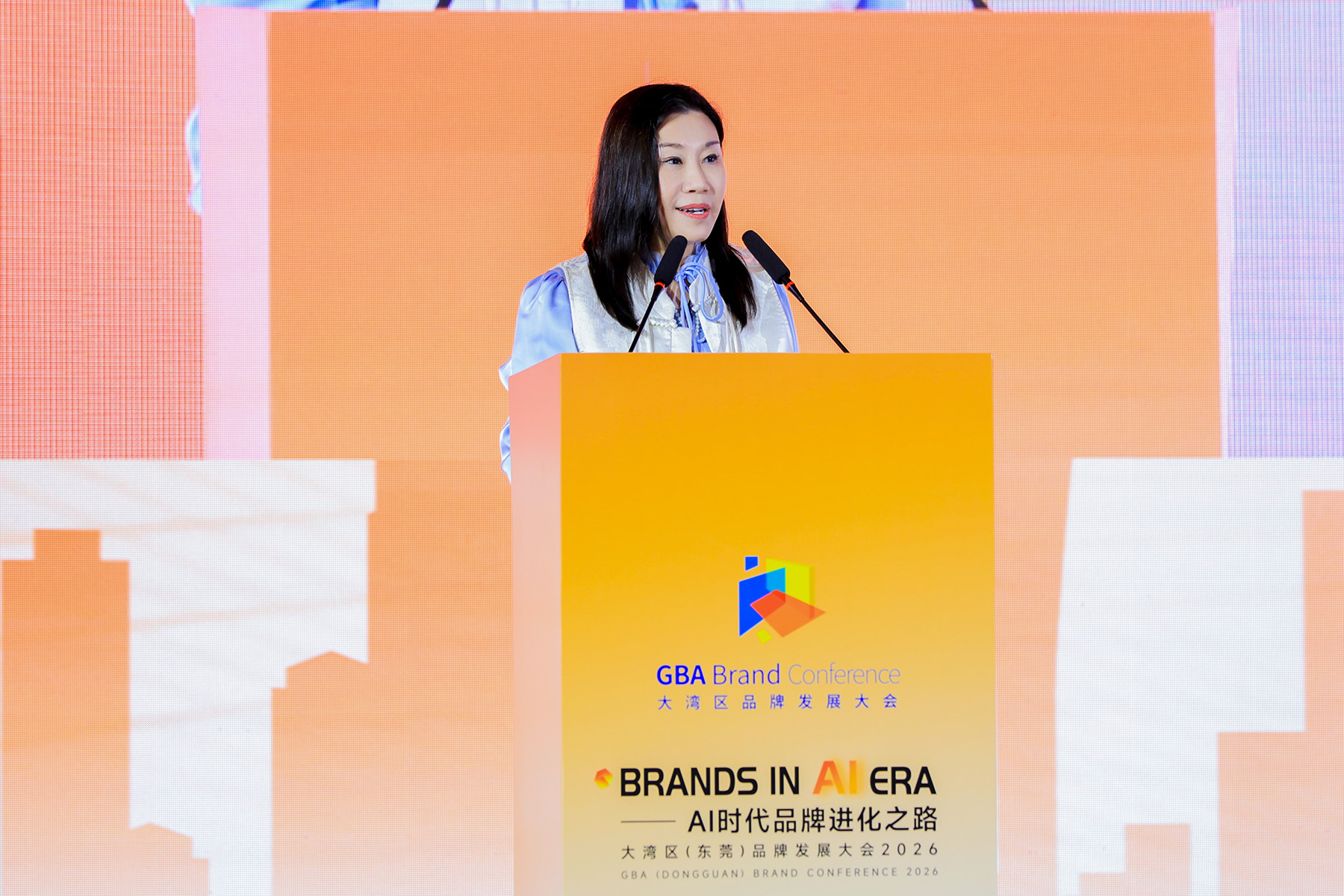
Prof. Tso’s Keynote Address: Leveraging AI for Enhancing Brand Preferences on Social Media
- Transformation and Challenges in the Social Media Ecosystem
Professor To began by analysing the structural shifts occurring in today’s social media landscape. She highlighted the emergence of algorithm-driven platforms and their profound impact. As recommendation algorithms become increasingly transparent, content selection and dissemination are growing more scientific. However, these developments present dual challenges for brands:
- Algorithm Dependence: According to Professor Tso, 71% of marketing decision-makers believe that “if a brand fails to align with an algorithm, its content becomes difficult to discover.”
- Content Uniformity Risk: Over-optimisation targeting algorithms results in a sea of homogeneous content, which undermines brand distinctiveness and long-term competitiveness.
These trends signify a deeper shift: brands must now evolve from merely attracting user engagement to deeply understanding and adapting to platform rules and algorithmic tendencies.
- Defining Brand Preference and AI’s Key Contributions
Professor Tso illuminated the concept of brand preference, which she defined as a consumer’s conscious preference for a specific brand over competitors. She outlined the three dimensions of brand preference:
- Cognitive Dimension: Brand awareness and associations.
- Emotional Dimension: Brand attitudes and emotional connections.
- Behavioural Dimension: Purchase intention and brand loyalty.
She further unveiled AI’s critical role in strengthening brand preference and enumerated key applications:
- Personalised Recommendations: She cited Netflix’s AI-powered algorithm, which drives over 80% of its content views, and Nike Fit’s AI foot-scanning technology, designed to enhance precision and customer satisfaction.
- Generative Content Creation: AI creates unique visual and narrative content, such as Heinz’s AI-generated creative images, which achieved over 800 million views.
- Dynamic Decision-Making Support: AI tools excel in analysing consumer sentiment, informing brands to adjust their strategies in real time and deliver superior user experiences.
- Practical Case Studies of AI-Enabled Brand Development
Professor Tso provided compelling case studies to demonstrate how AI is revolutionising branding. These examples included:
- Virtual Influencers: Collaborations between brands and AI-generated virtual influencers, such as Lil Miquela, who partnered with BMW, reveal innovative approaches to engaging audiences and elevating brand appeal.
- Deep Personalisation: Nike Fit’s AI application, which scans foot dimensions to offer precise shoe size recommendations, serves as a benchmark in using AI to enrich customer experience and foster loyalty.
- Challenges and Risk Management in AI Deployment
While acknowledging AI’s transformative potential, Professor Tso also addressed the inherent challenges and risks in its use:
- Loss of Authenticity: Content generated by AI-powered systems, though effective, can at times lack emotional warmth and human connection, as exemplified by certain AI advertisements that drew criticism for insufficient human sentiment.
- Data Privacy and Ethical Concerns: Personalisation algorithms often raise concerns about privacy infringements. Balancing user privacy with targeted recommendations remains a challenge.
- Over-Reliance on Technology: Professor Tso emphasised that brands must avoid sidelining human creativity and ensure that AI is used as a tool to complement, not replace, holistic marketing strategies.
Conclusion and Insights
In concluding her speech, Professor Tso remarked:
“AI is indispensable for enhancing brand preference on social media, but it must be coupled with human creativity to achieve enduring success. Brand influence stems not only from technological enhancement but also from sustained emotional engagement and personalised interaction.”
She encouraged brands to actively explore and experiment with AI applications, while maintaining a steadfast focus on core brand values and human-centric narratives.
Professor Tso’s insights significantly contributed to the dialogue on AI-driven brand strategies, offering actionable knowledge and strategic frameworks to attendees. Her participation not only reinforced the academic authority of Hang Seng University of Hong Kong’s School of Communication in the field of branding and strategy but also provided valuable guidance to the GBA’s ambitious drive for global brand competitiveness.
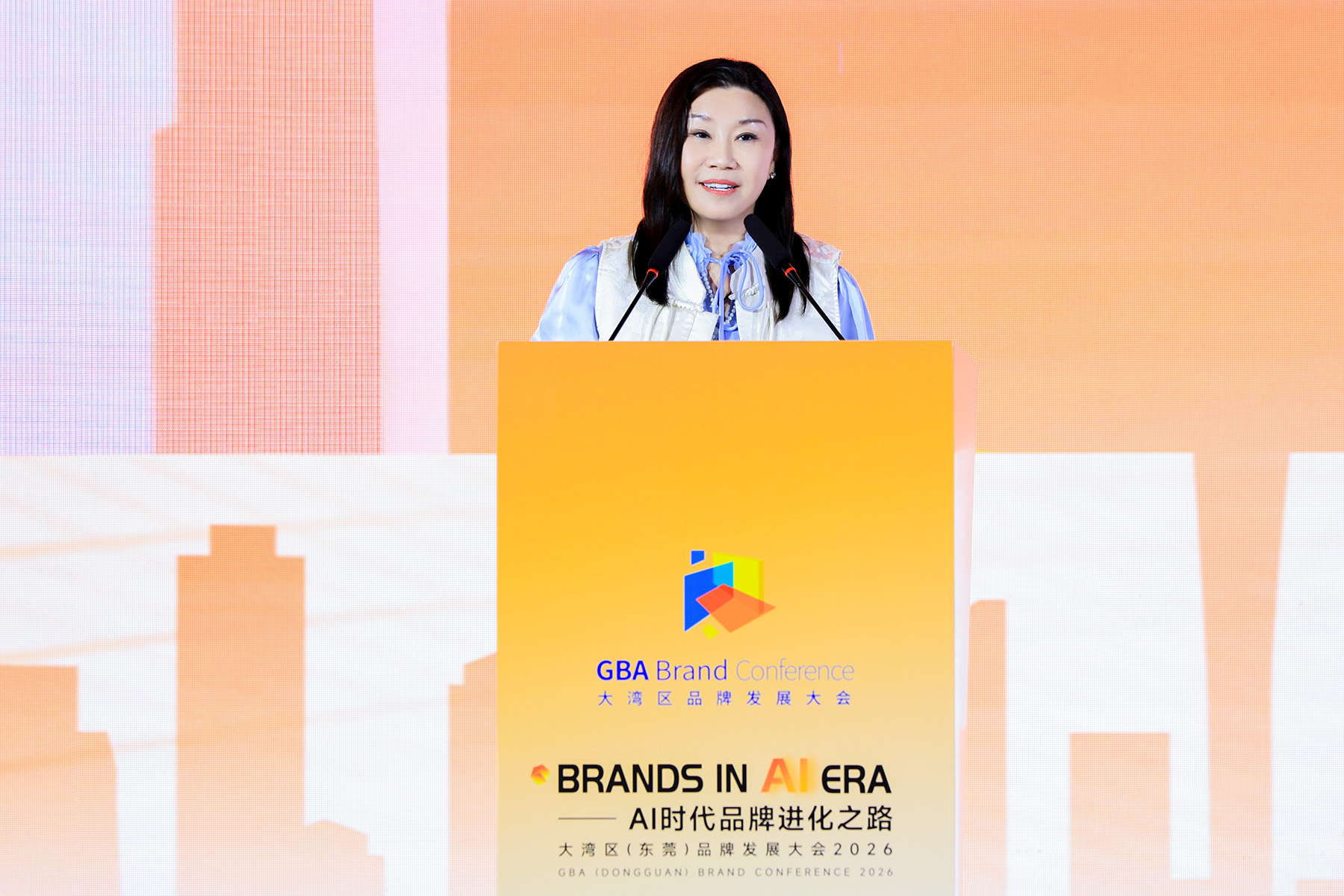
Prof. Tso encouraged brands to actively explore and experiment with AI applications, while maintaining a steadfast focus on core brand values and human-centric narratives