
The School of Communication of The Hang Seng University of Hong Kong (HSUHK) is commitment to experiential learning and community engagement while nurturing socially conscious, empathetic, and responsible communicators. Recently, the School collaborated with The Salvation Army to organize a life and death education workshop on campus. Through professional sharing and intergenerational dialogue, the workshop provided students with a unique opportunity to explore those often-overlooked topics, including the value of life, ageing, end-of-life planning, and compassionate care, in a meaningful and engaging way.
The workshop commenced with a keynote presentation by Ms. Shirley Wong, Service Supervisor of The Salvation Army. She highlighted the growing significance of advance care planning, compassionate communities, and public education in promoting dignity and quality of life among the ageing population. Ms. Wong introduced the latest developments in palliative and end-of-life care in Hong Kong and outlined the work of The Salvation Army’s “Palliative Care for the Elderly” Programme. Students gained a deeper understanding of holistic care, which addresses the physical, psychological, social, spiritual, and environmental needs of older adults facing serious illness and the final stages of life.
Ms. Wong also emphasized that life and death education is not a one-time discussion but a continuous process of learning and reflection. Through examples drawn from community projects and public engagement initiatives, she demonstrated how individuals can be encouraged to review their life journeys, express their wishes, and engage in open conversations about end-of-life matters with family members and loved ones. Students were introduced to important concepts such as life review, fulfilling personal aspirations, advance planning, and the “Four Messages of Life” – expressing love, gratitude, apology, and farewell. These insights challenged common misconceptions surrounding death and loss, helping students recognize that discussing mortality can be an important step toward living more meaningfully and purposefully.
The workshop was further enriched by the participation of several professionally trained senior volunteers from The Salvation Army. Adding a personal and human dimension to the discussions, the volunteers shared their experiences of ageing, their preparations for the future, and the importance of communicating end-of-life preferences with family members. Their stories reflected resilience, wisdom, and a positive approach to later life, offering students valuable perspectives beyond those typically found in textbooks or classrooms.
In the second part of the workshop, students had the opportunity to interact directly with the senior volunteers through a series of experiential booths designed and facilitated by them. Through games, cultural activities, and informal conversations, the workshop fostered a valuable platform for intergenerational exchange. Students actively participated in discussions, raising thoughtful questions and gaining insights into the diverse experiences and perspectives of older adults. The exchanges not only deepened their understanding of life and death education but also nurtured empathy, respect, and appreciation for the contributions of the elderly within the community.
As future communication professionals, students are often expected to engage with sensitive social issues and diverse community groups. Through a combination of professional expertise, lived experiences, and heartfelt intergenerational interactions, the workshop encouraged students to reflect on the meaning of life, the importance of preparation, and the value of open dialogue. It provided more than knowledge of palliative care and life and death education; it also cultivated critical thinking, compassion, interpersonal communication skills, and social awareness. By connecting classroom learning with real-life experiences, the activity broadened students’ understanding of human dignity, care, and community responsibility.
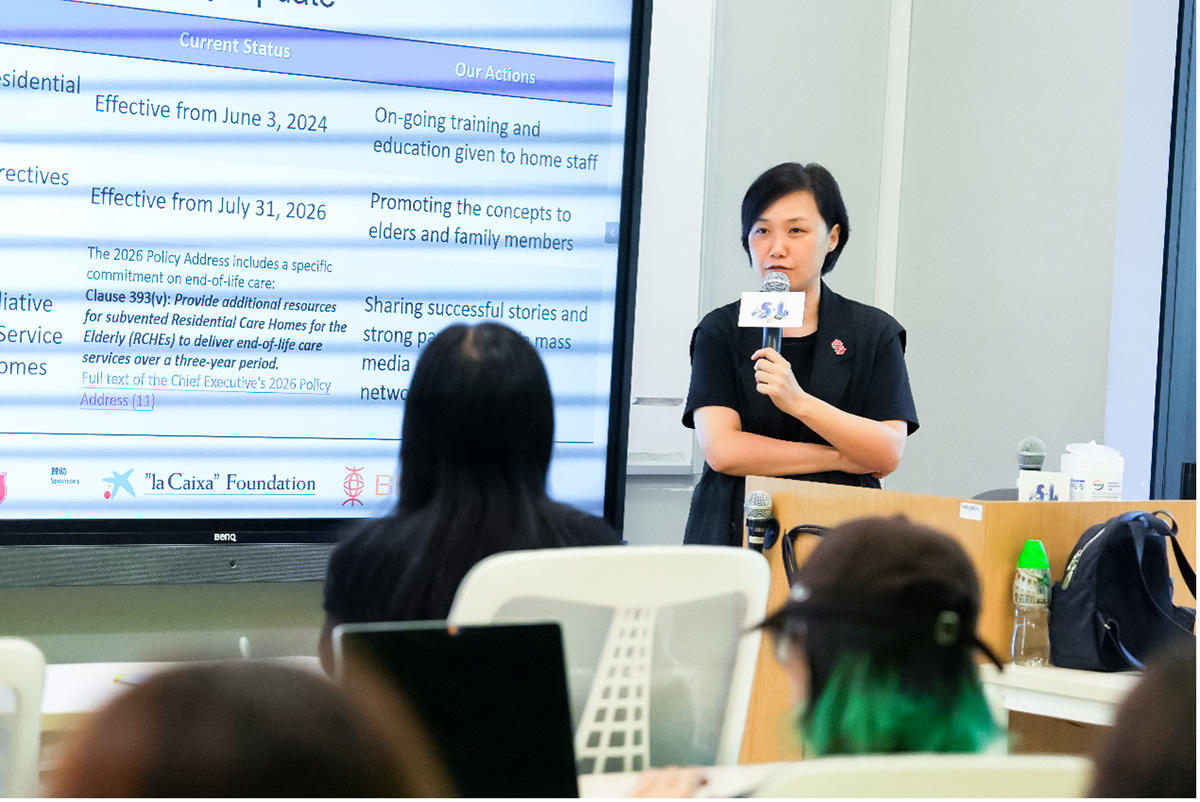
Ms. Shirley Wong, Service Supervisor of The Salvation Army delivered a talk on life and death education.
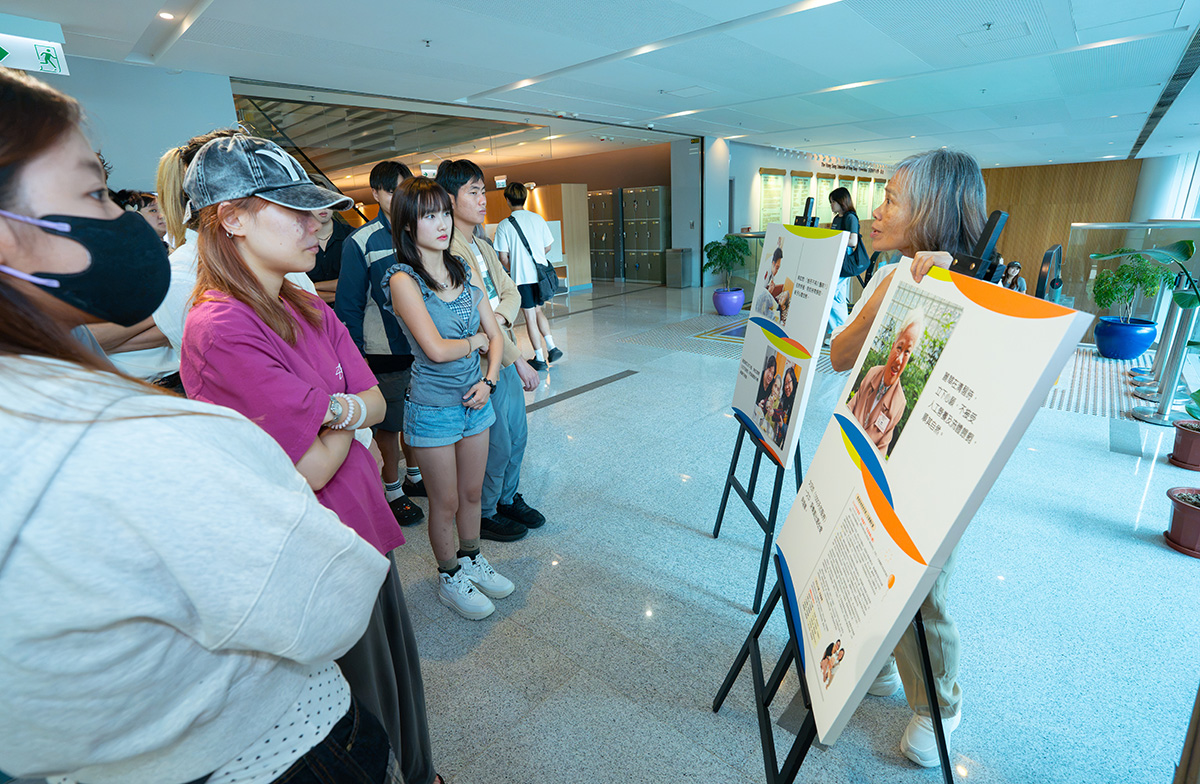
Elderly volunteers from The Salvation Army shared their personal stories and life experiences.
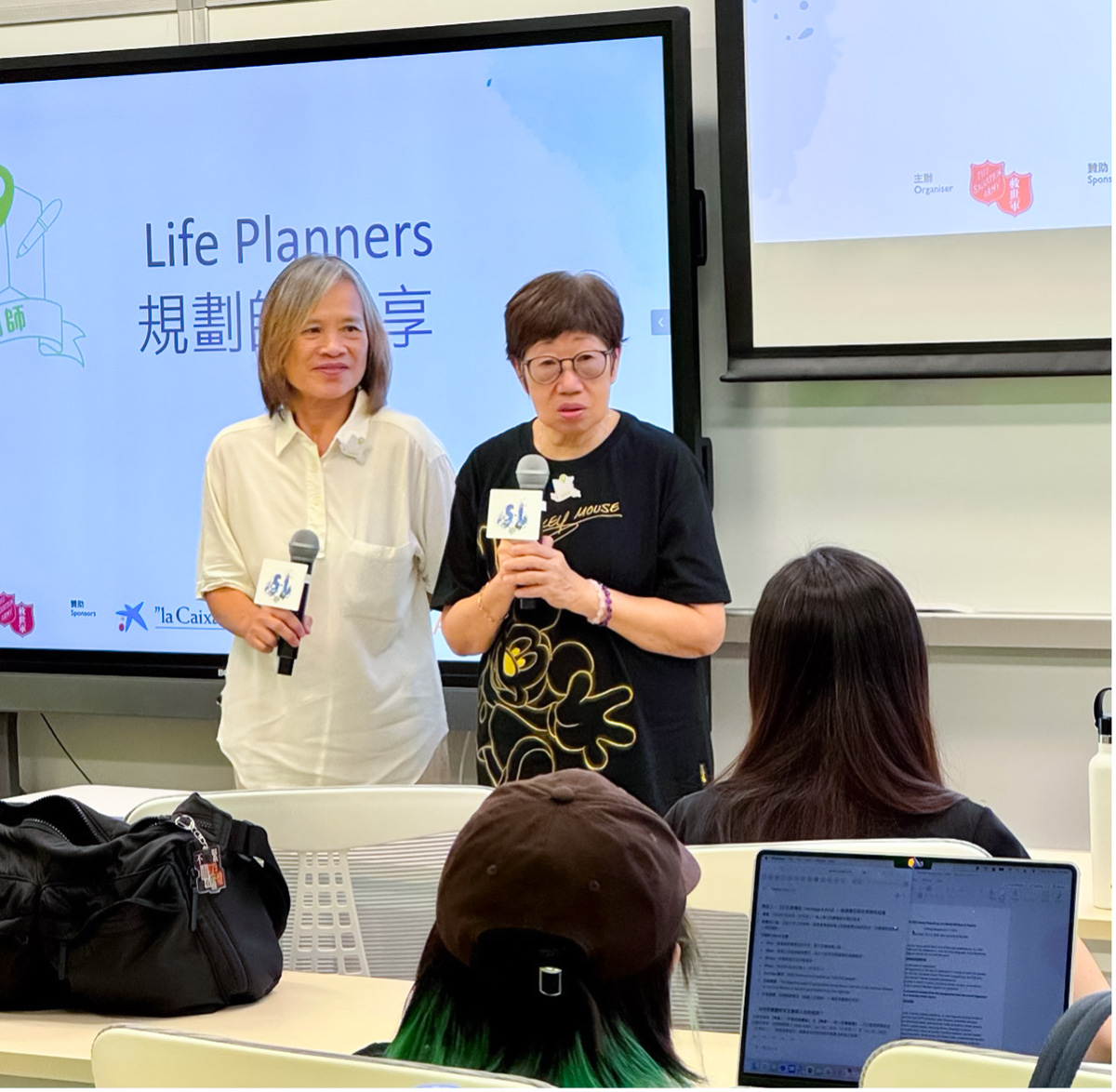
Professionally trained life planners from The Salvation Army shared their personal stories and experiences.
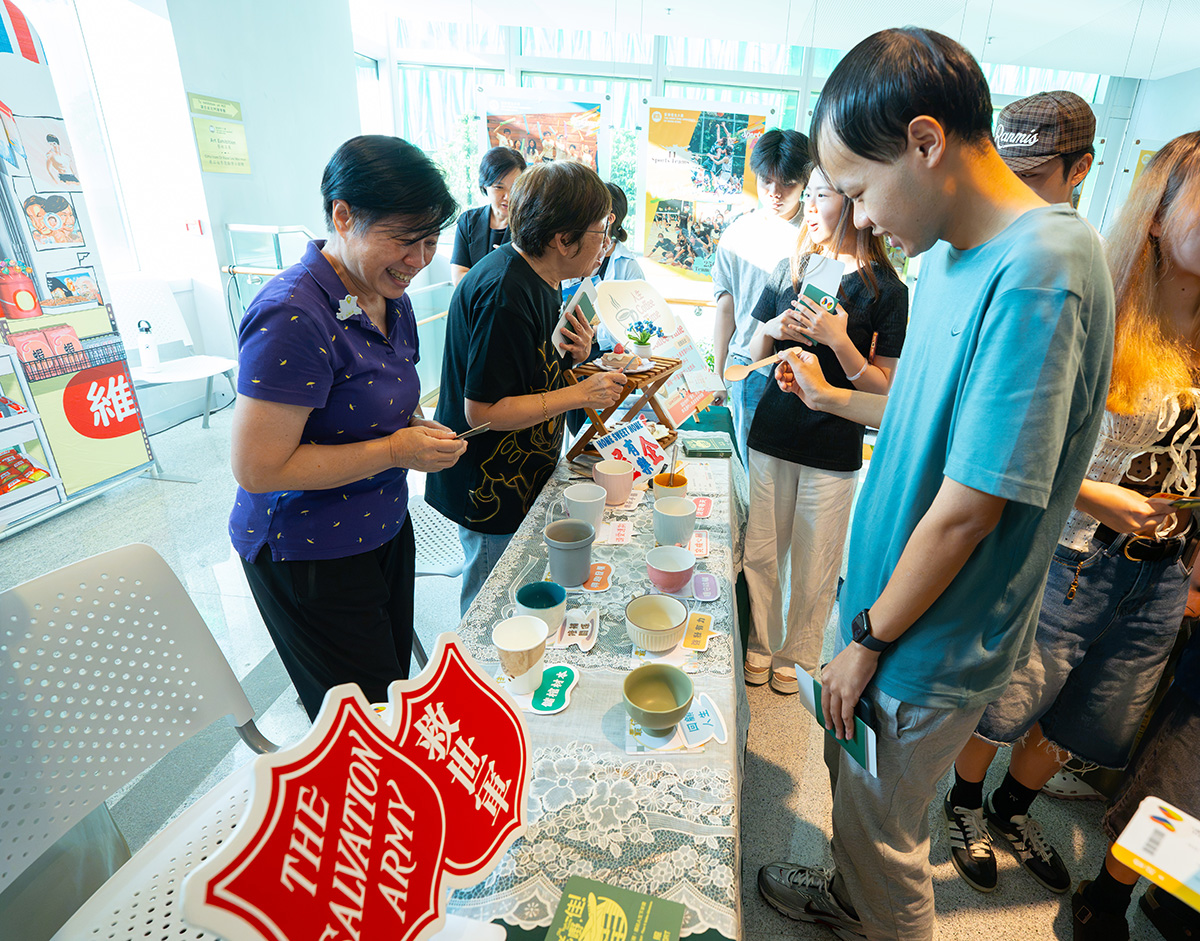
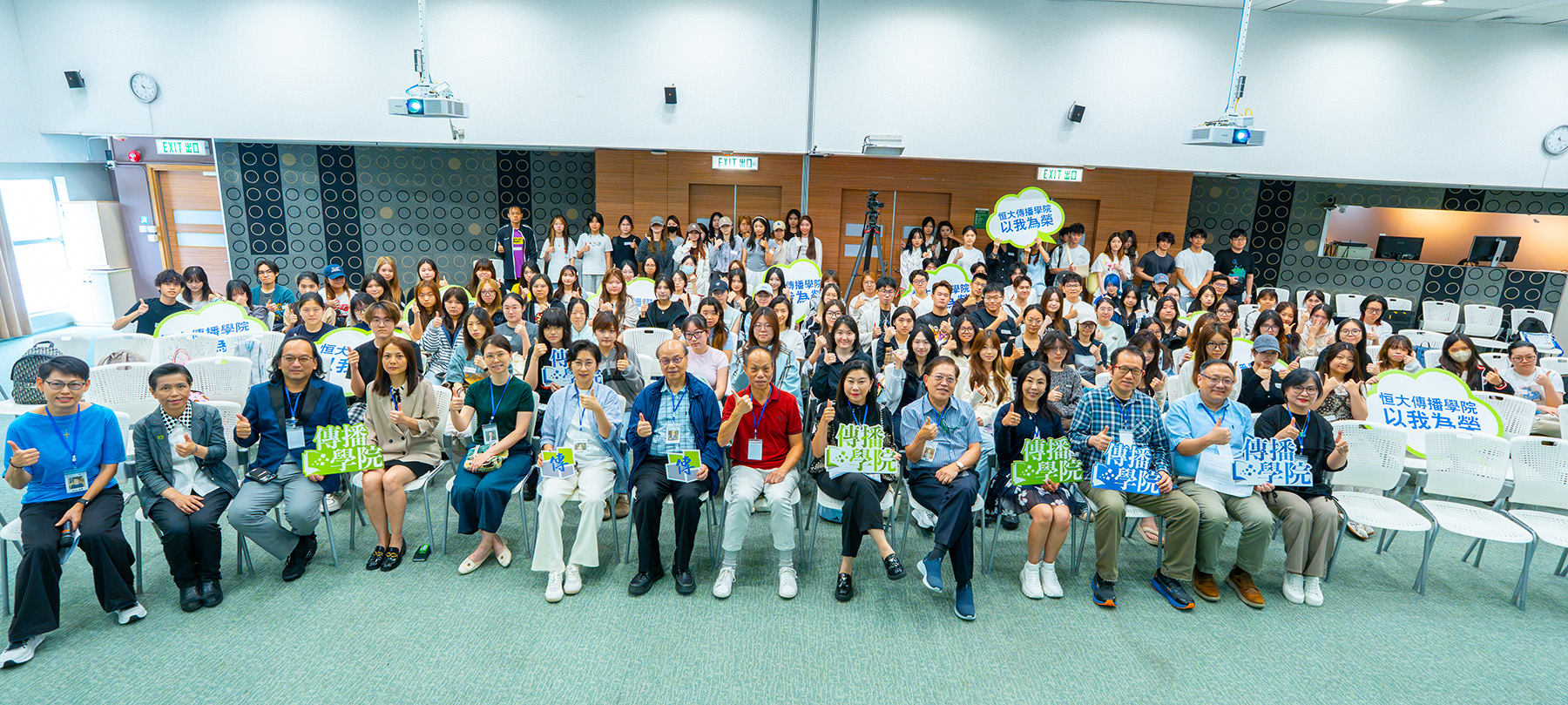
Through games, activities, and casual conversations, students and older adults engaged in meaningful and in-depth interactions, fostering mutual understanding and learning.
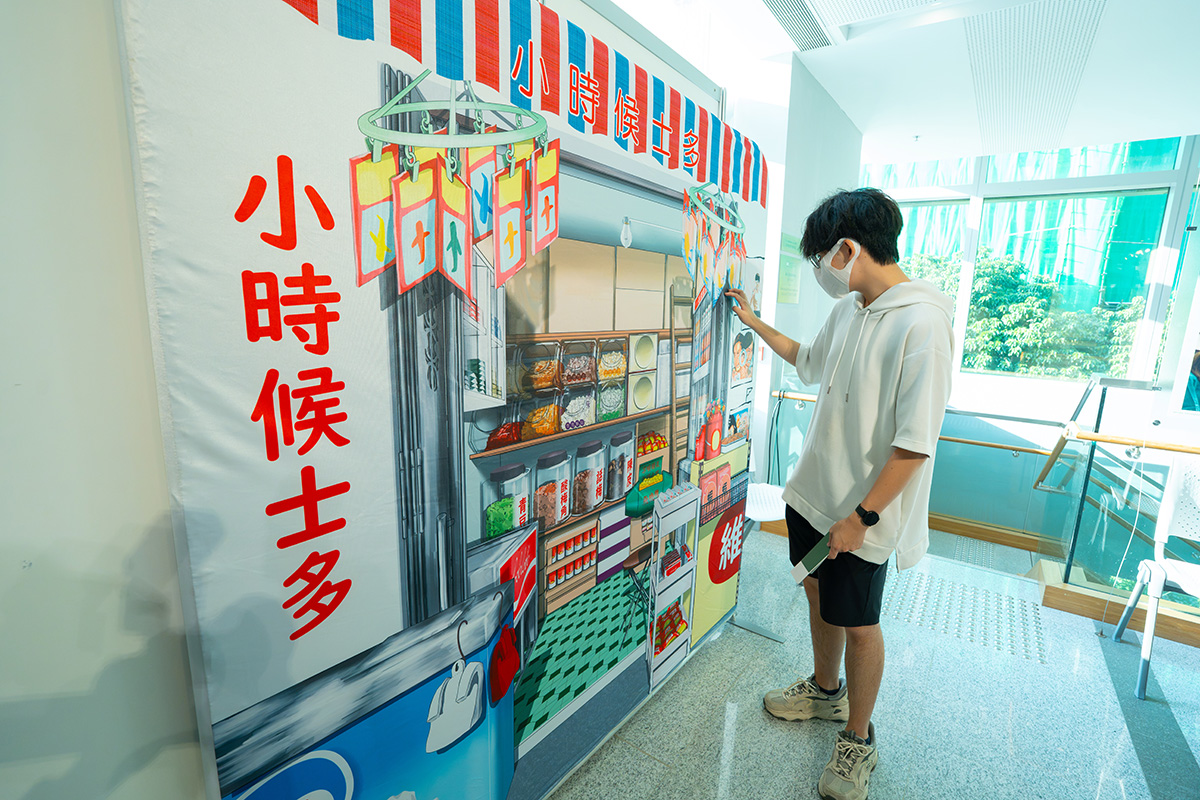
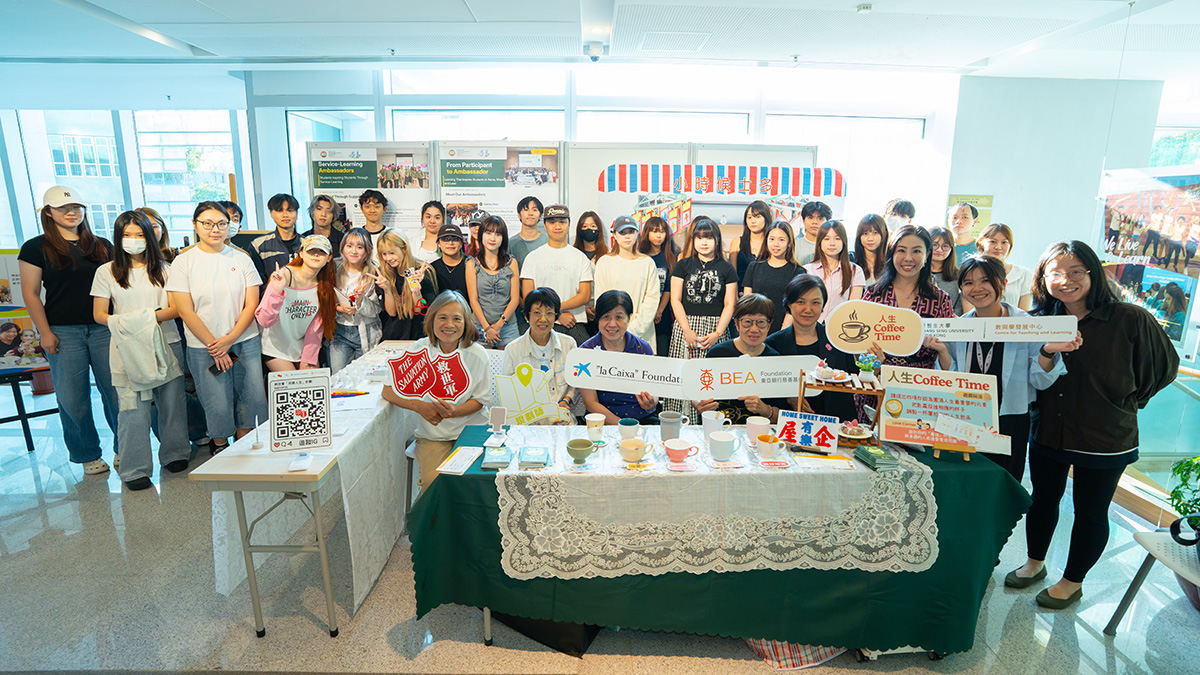
The experiential booth featured a nostalgic childhood corner store (si dor) theme.
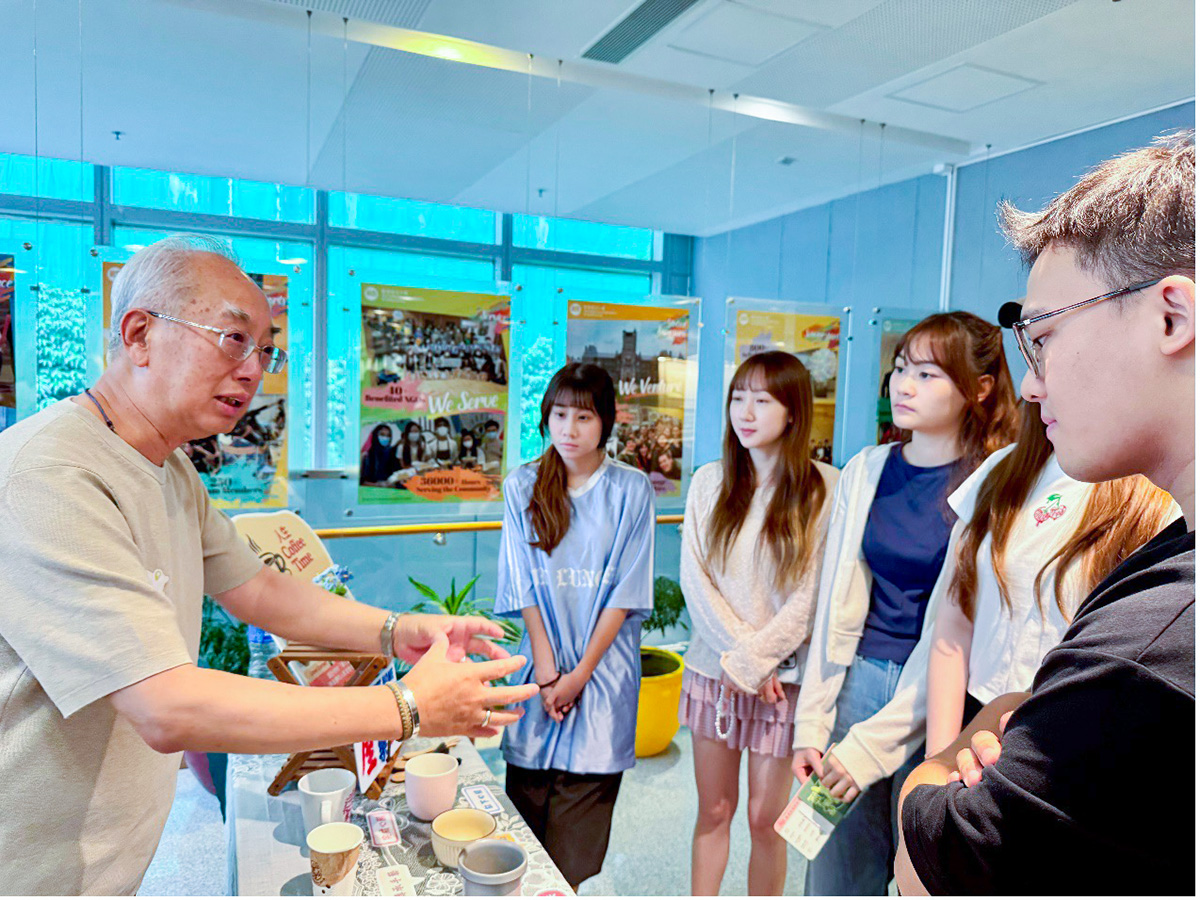
Participants engaged in discussions on personal values, family relationships, healthcare decision-making, and other topics related to ageing and end-of-life planning.
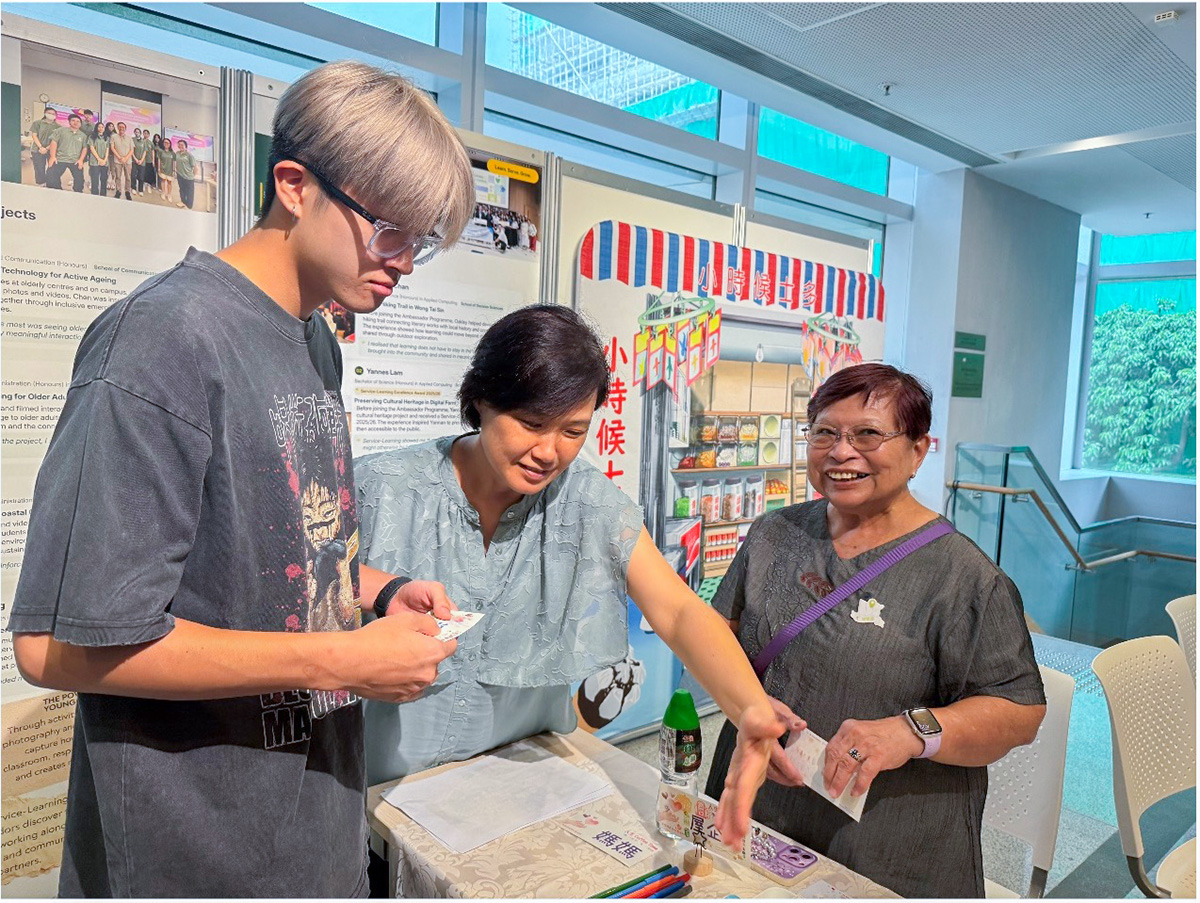
Ms Wong encouraged intergenerational dialogue and exchange.
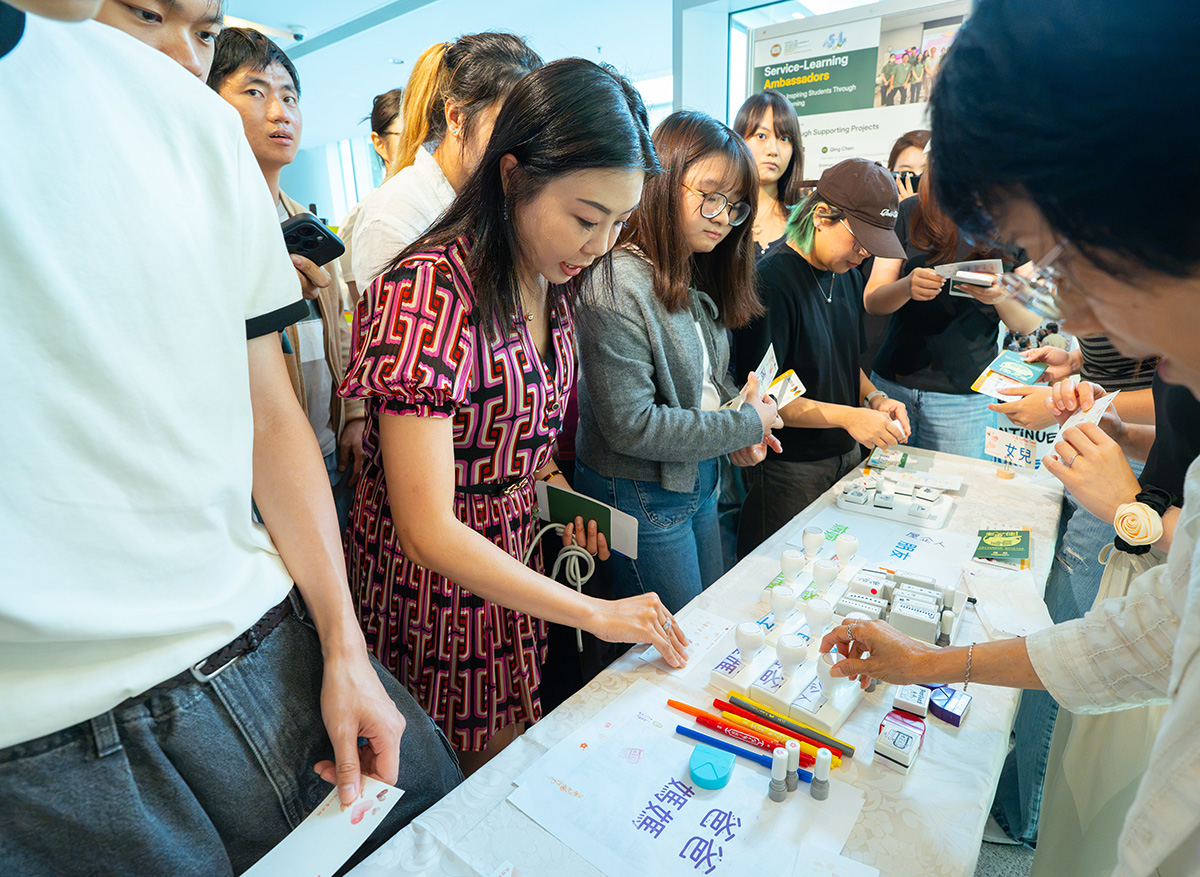
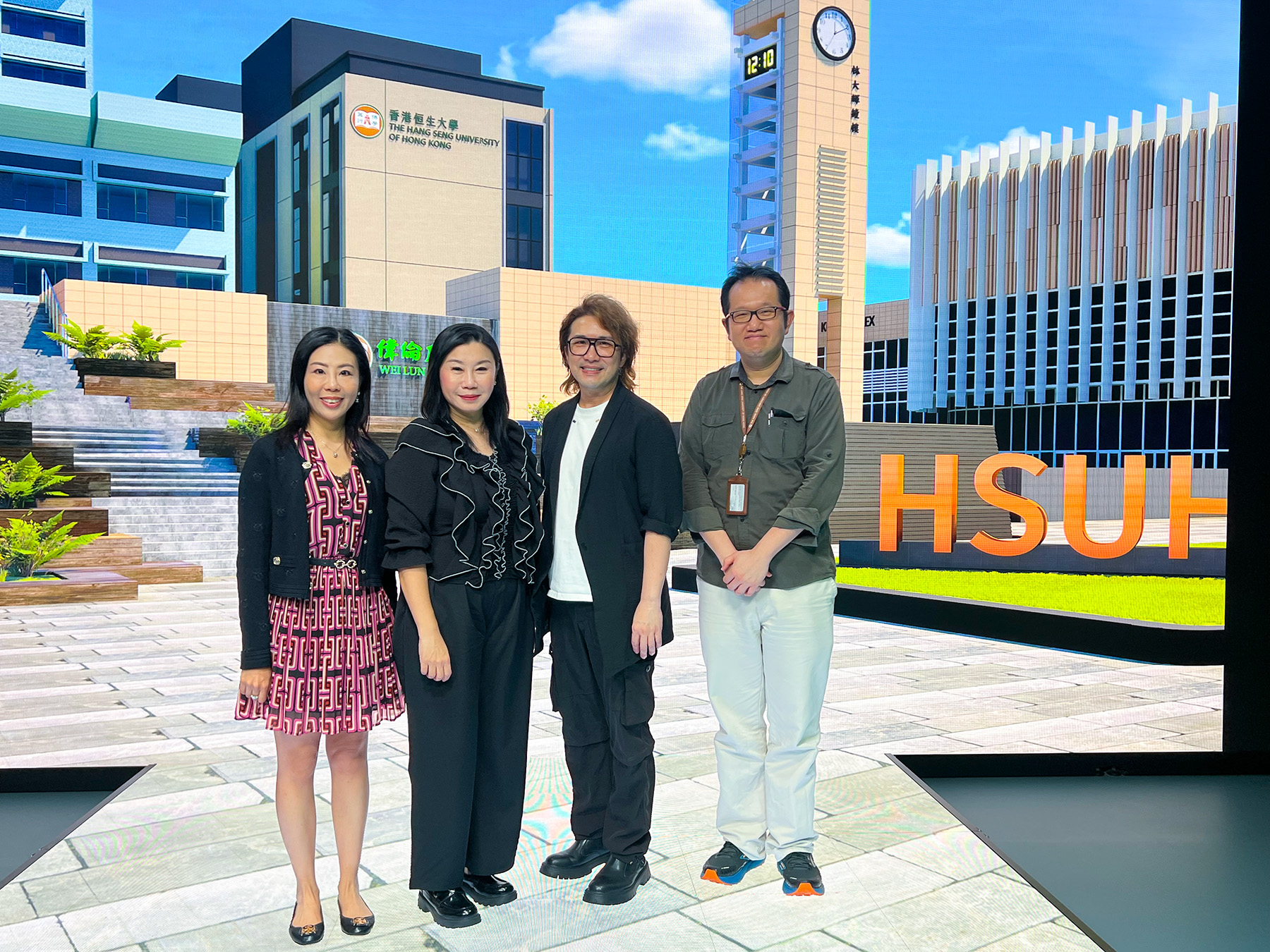
Dr. Janice Wong (centre), Senior Lecturer of the School of Communication, joined students outside the classroom to explore the important topic of life and death education.
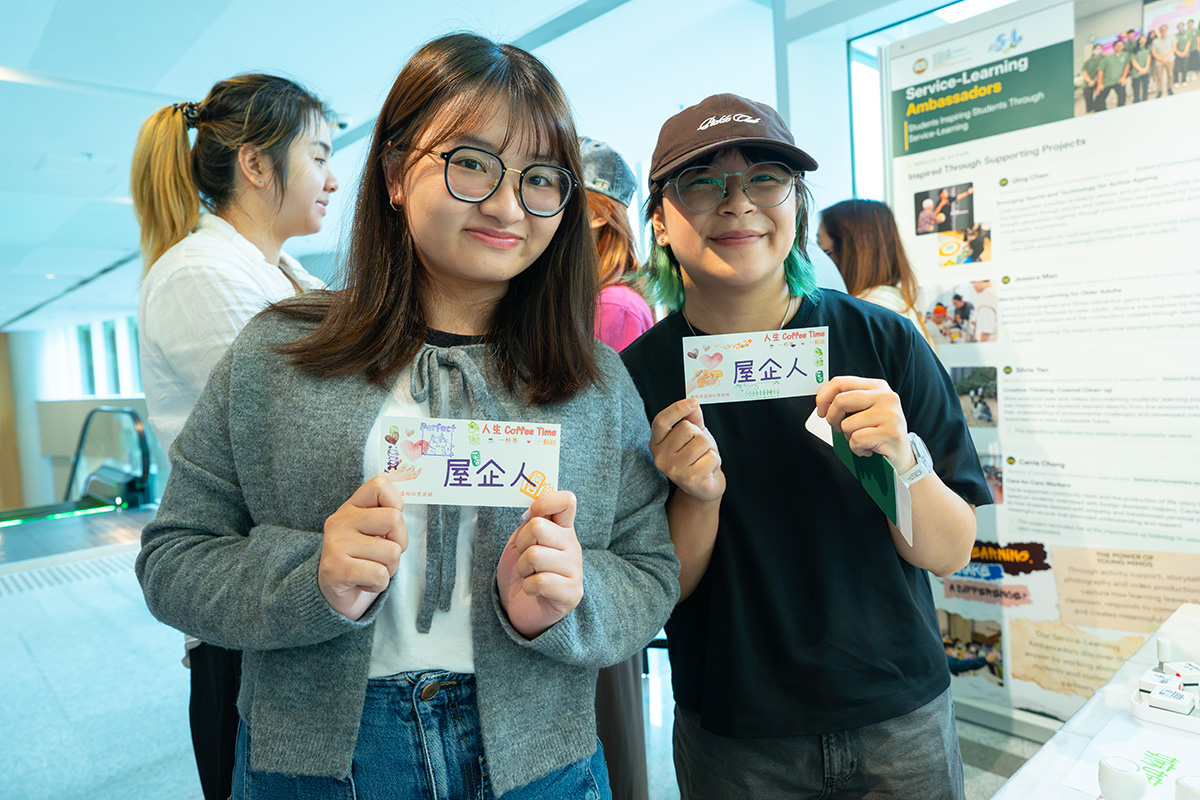
Students were most eager to share the workshop experience and insights with their families.