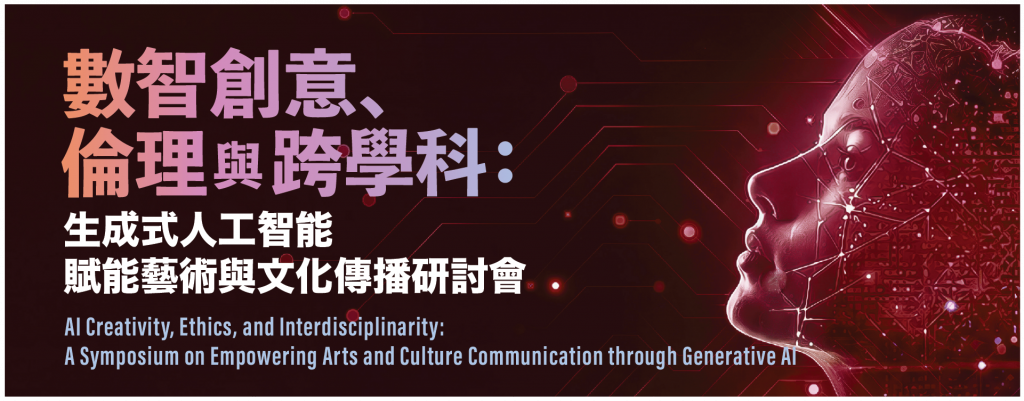
Generative Artificial Intelligence (GenAI) is among the most transformative technological advancements, presenting substantial opportunities and challenges for individuals and organisations. A recent report published by UNESCO underscored the significant impact of GenAI on the arts, culture and creative industries over the next five years. However, the widespread adoption of GenAI raises critical questions regarding its creative application, ethical considerations, and the need to balance risks and benefits – particularly in the domains of arts and culture communication, which involves the strategic management of the communication process about arts and culture content and industries.
In Hong Kong, the arts, culture and creative industries have gained significant momentum, bolstered by the policies and plans of the Hong Kong Special Administrative Region (SAR) Government, which designates the city as an international hub for East-West cultural exchange. To support this strategic vision, the Culture, Sports and Tourism Bureau introduced the Blueprint for Arts and Culture and Creative Industries Development in 2024. Now, Hong Kong is home to over 1,000 arts groups that host approximately 8,000 performances annually, attracting more than 3 million spectators. Hong Kong is also one of the world’s most significant art auction markets. International events such as the Hong Kong Arts Festival and Art Basel bring together top global artists and galleries, showcasing diverse cultures and creativity.
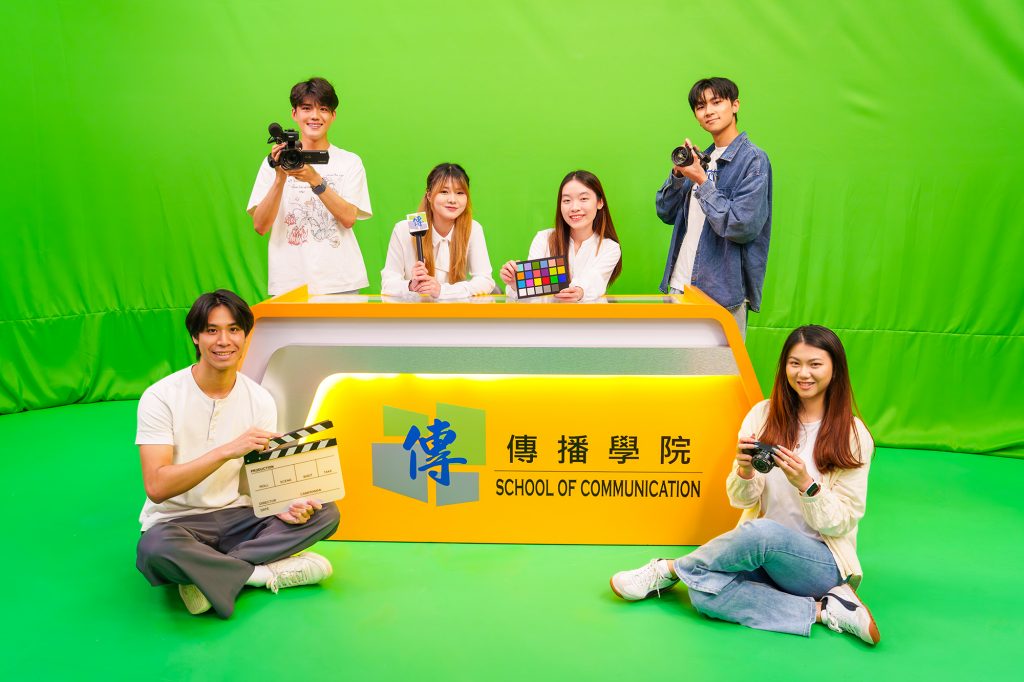
Aligning with these initiatives, the School of Communication at Hang Seng University of Hong Kong launched the Bachelor of Arts (Honours) in Arts and Culture Communication programme in 2024. In the era of AI, this programme plans to develop new knowledge, creative skills, and ethical frameworks for integrating AI as a meaningful and effective tool in teaching and creative communication. As more and more students and educators engage in the use of GenAI applications, it is essential to carefully balance the risks and benefits of integrating AI into creative and cultural industries while advancing teaching and learning in higher education.
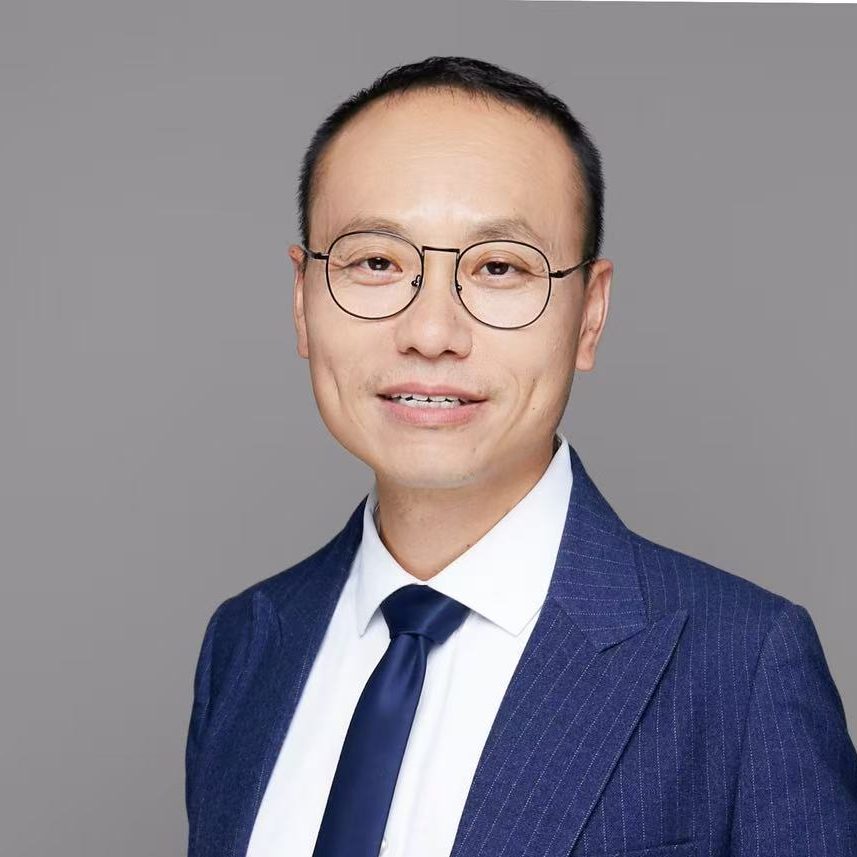
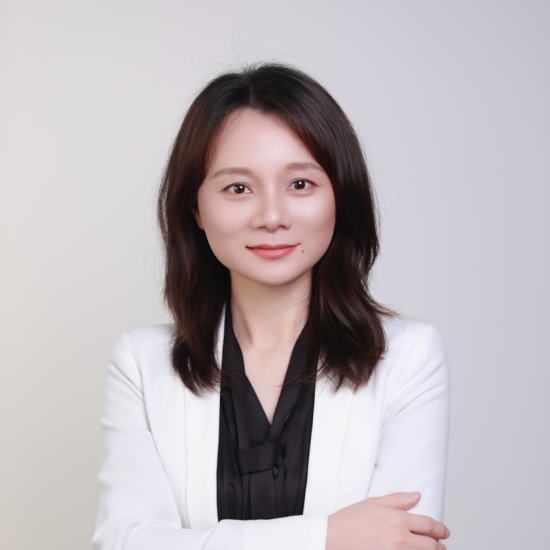
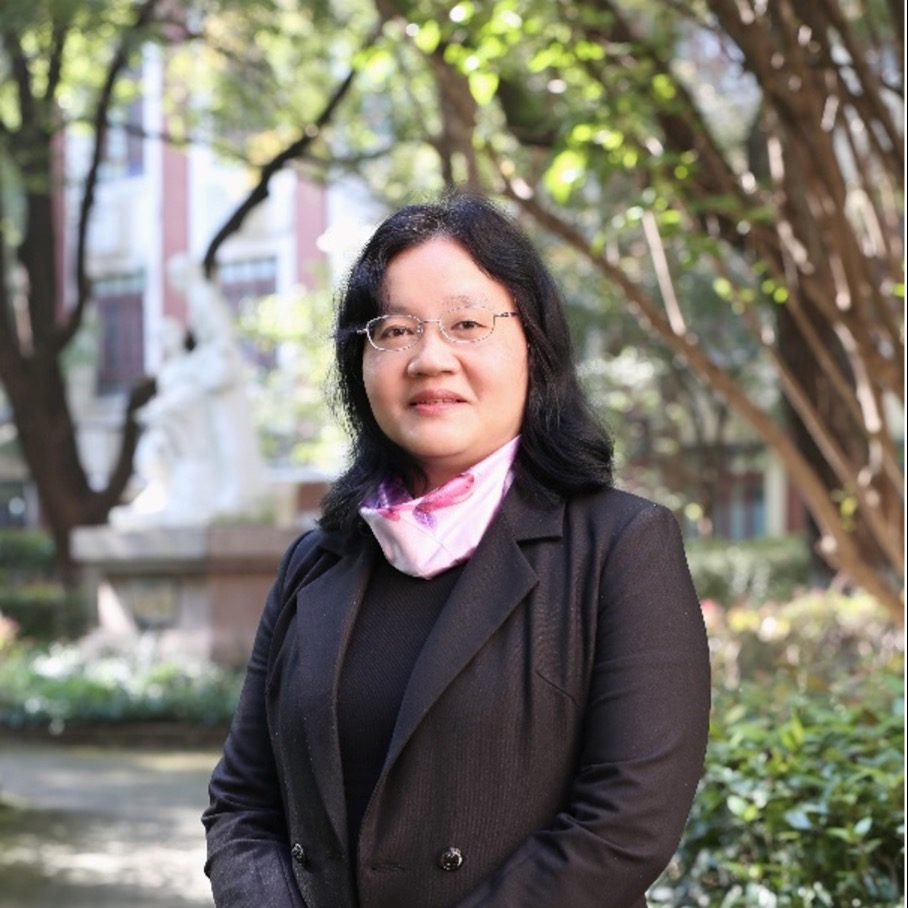
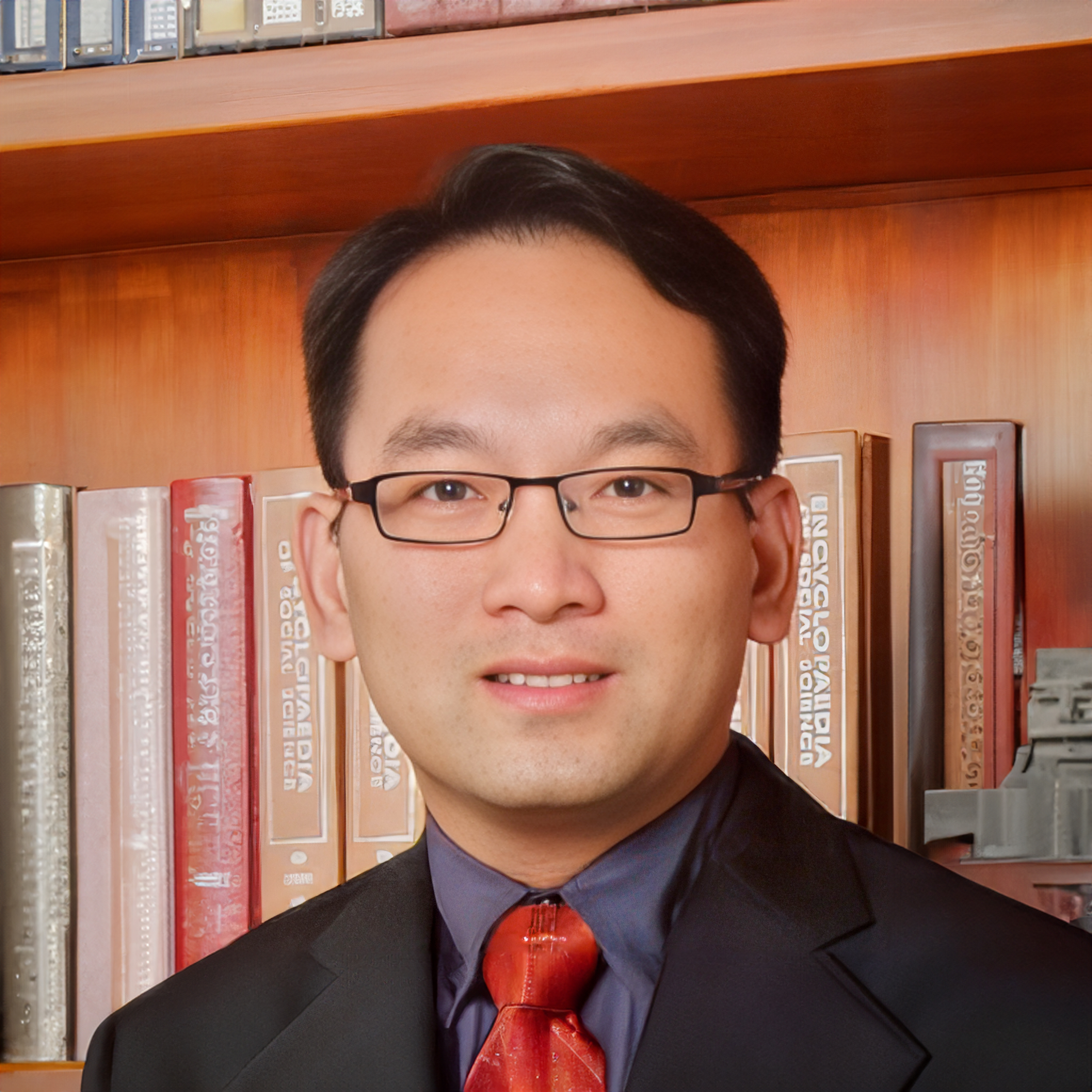
This project brings together academic and industry experts from Finland, the United States, Mainland China, and Hong Kong for a two-day interdisciplinary international symposium in Hong Kong. The program features two keynote speeches and four parallel sessions. Discussion themes include: (1) Generative AI empowering arts and culture communication: reshaping creativity and global engagement; (2) Generative AI–driven transformation in communication education: ethics and literacy building; (3) Generative AI steering innovation in the art, culture, and media industries; and (4) Interdisciplinary integration of generative AI: opportunities, methods, and reflections. The symposium aims to share cutting-edge research and practical insights, foster academic collaboration and innovation, and encourage participants to integrate the conference outcomes into their teaching and research.
生成式人工智能(GenAI)作為最具變革性的技術突破之一,在給個人和組織帶來巨大機遇的同時,也伴隨著嚴峻挑戰。根據聯合國教科文組織最新報告,未來五年內生成式人工智能將對藝術、文化及創意產業產生深遠影響。然而,該技術的廣泛應用也引發了一系列關鍵性質疑:如何界定其創造性應用的邊界?如何建立相應的倫理規範?特別是在藝術文化傳播領域——這一涉及藝術文化內容與產業傳播戰略管理的領域——如何平衡風險與收益?
在香港特別行政區政府將香港定位為「中外文化藝術交流中心」的政策支持下,本地藝術文化與創意產業呈現出強勁的發展勢頭。為推進這一戰略願景,文化體育及旅遊局於2024年發佈了《文藝創意產業發展藍圖》。目前,香港擁有超過1000個藝術團體,每年舉辦約8000場演出,吸引觀眾超過300萬人次,並已成為全球重要的藝術拍賣市場之一。香港藝術節、巴塞爾藝術展等國際文化活動持續吸引世界頂尖藝術家和畫廊參與,展現了多元文化交融的創新活力。
與此相呼應,香港恒生大學傳播學院於2024年開設了藝術與文化傳播榮譽文學士課程。在人工智能時代背景下,該課程旨在構建融合AI技術的知識體系、創意技能與倫理框架,使智能工具成為教學與創意傳播的有效載體。隨著師生越來越多地使用生成式AI應用,在推動高等教育創新的同時,亟需審慎評估AI技術與文創產業融合的利弊。
本項目邀請來自芬蘭、美國、中國內地和香港的學界與業界專家相聚於香港,將舉辦為期兩天的跨學科國際研討會,將發表兩場主題演講及四場分組演講。會議討論主題包括:1)生成式人工智能引燃藝術與文化傳播:重塑創意與全球參與;2)生成式人工智能驅動:傳播教育變革、倫理與素養建構;3)生成式人工智能領航藝術、文化與傳播產業創新;4)生成式人工智能跨界融合:機遇、方法與反思。研討會旨在分享最新研究成果與實踐經驗,推動學術合作與創新,並促進與會者將研討成果融入教學與科研工作。