
The Centre for Communication Studies (CCS) of the School of Communication at The Hang Seng University of Hong Kong (HSUHK) was invited by the Hong Kong Public Relations Professionals’ Association (PRPA) to undertake a collaborative industry-wide survey as part of its 30th anniversary initiatives.
The survey was designed by CCS, with the questionnaire developed in consultation with PRPA. Data were collected by PRPA, while CCS conducted the analysis and prepared the report. It targeted both PR professionals and C-suite executives, capturing perspectives across different levels of practice and leadership.
The study examines how the profession is navigating a rapidly evolving communication landscape shaped by a set of emerging – and accelerating – risks. In particular, it focuses on three key areas.
First, technological disruption, especially the growing impact of generative AI, synthetic media, and misinformation, which are reshaping both content creation and information credibility. Second, geopolitical and cultural volatility, where even carefully crafted or neutral messaging may trigger unintended backlash in increasingly sensitive or polarised environments. Third, rising stakeholder activism, as consumers, investors, and communities are becoming more active in scrutinising, challenging, and influencing corporate behaviour and communications.
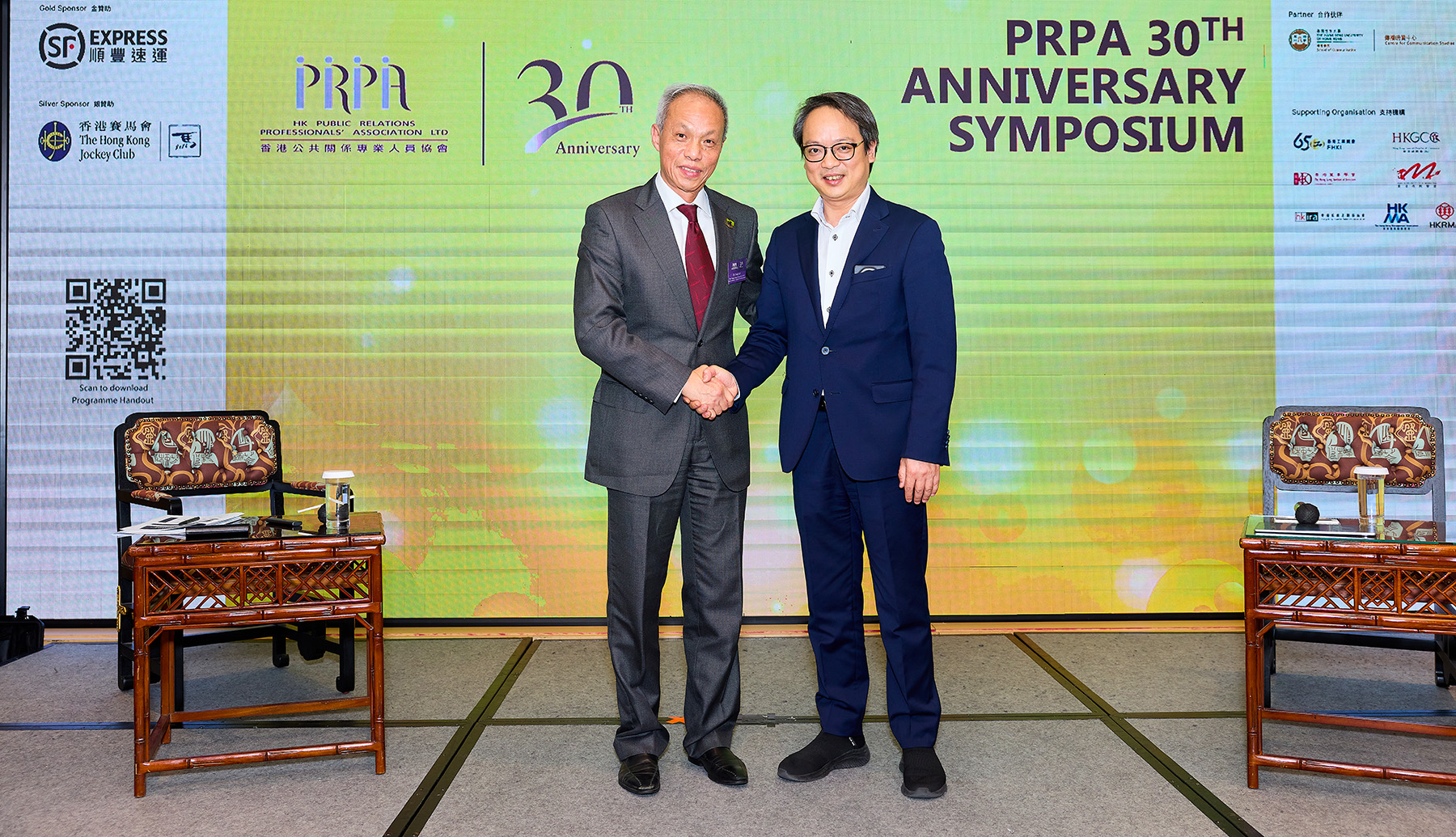
Findings from the survey were presented by Dr. Fred Luk, Director of CCS, and Mr. Purry Chiu, President of PRPA, at the PRPA 30th Anniversary Symposium & 2026 Annual Dinner.
The results indicate that the PR profession is entering a period of significant transition. While AI is widely seen as enhancing efficiency and enabling new capabilities, it is also recognised as a growing source of reputational risk, particularly in relation to misinformation and deepfakes. At the same time, the findings point to a gap between awareness and preparedness, with many organisations yet to establish formal protocols to manage AI-related crises.
Dr. Luk highlighted that the profession is undergoing a structural shift, as automation increasingly affects process-driven tasks. He noted that the core value of PR is moving towards strategic thinking, relationship management, and complex communication where human judgement remains essential.
Mr. Chiu also noted a divergence in perceptions between PR practitioners and senior management, particularly regarding the impact of AI and the level of organisational preparedness. He emphasised that ESG (Environmental, Social, and Governance) communication, geopolitical and cultural sensitivity, and stakeholder expectations are becoming increasingly central to reputation management.
Overall, the survey underscores the importance of strengthening organisational readiness, enhancing alignment across different levels of leadership, and developing capabilities to navigate an increasingly complex communication environment.
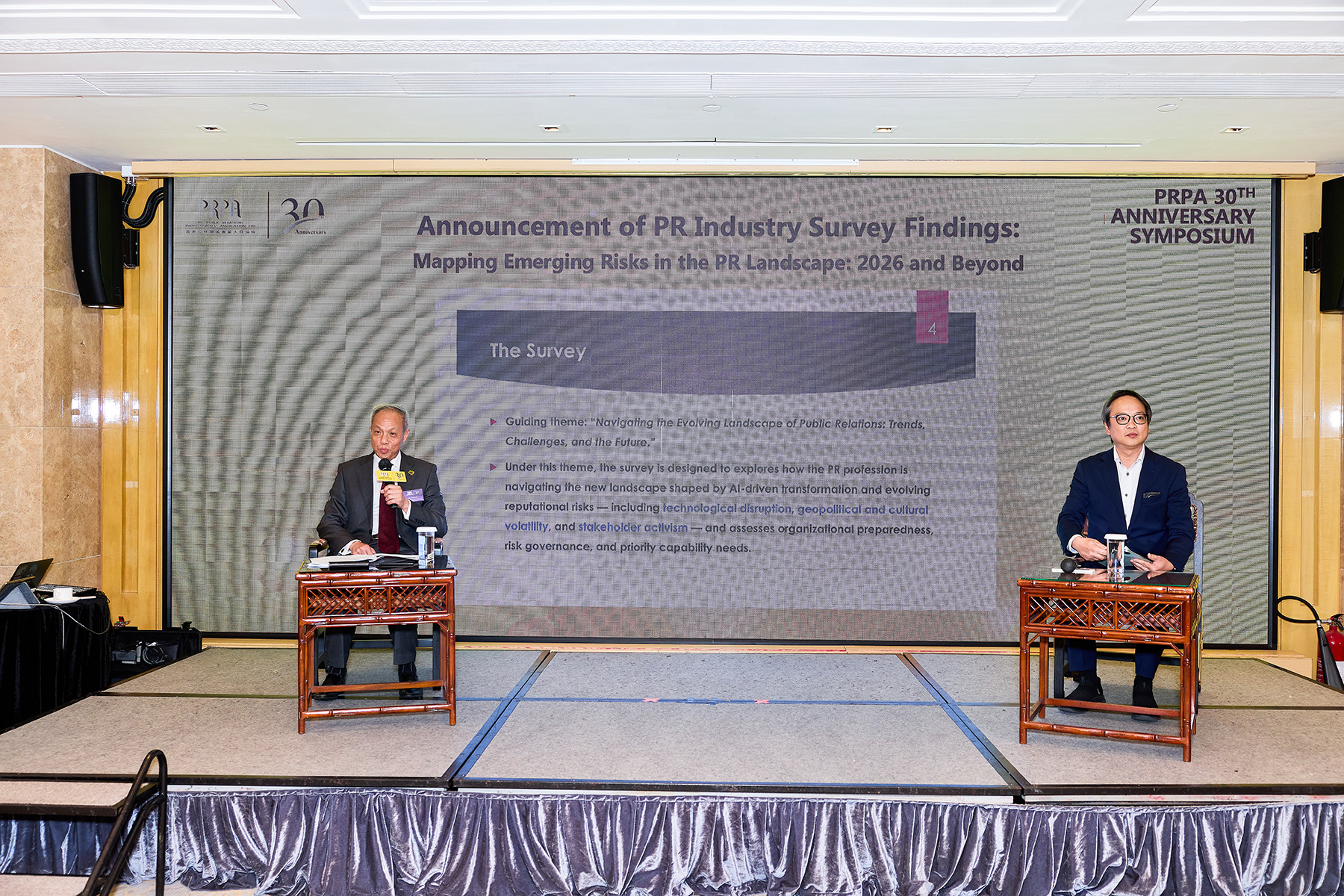
Dr. Fred Luk, Director of the Centre for Communication Studies, and Mr. Purry Chiu, President of the Hong Kong Public Relations Professionals’ Association, present the survey findings during a panel discussion at the symposium.
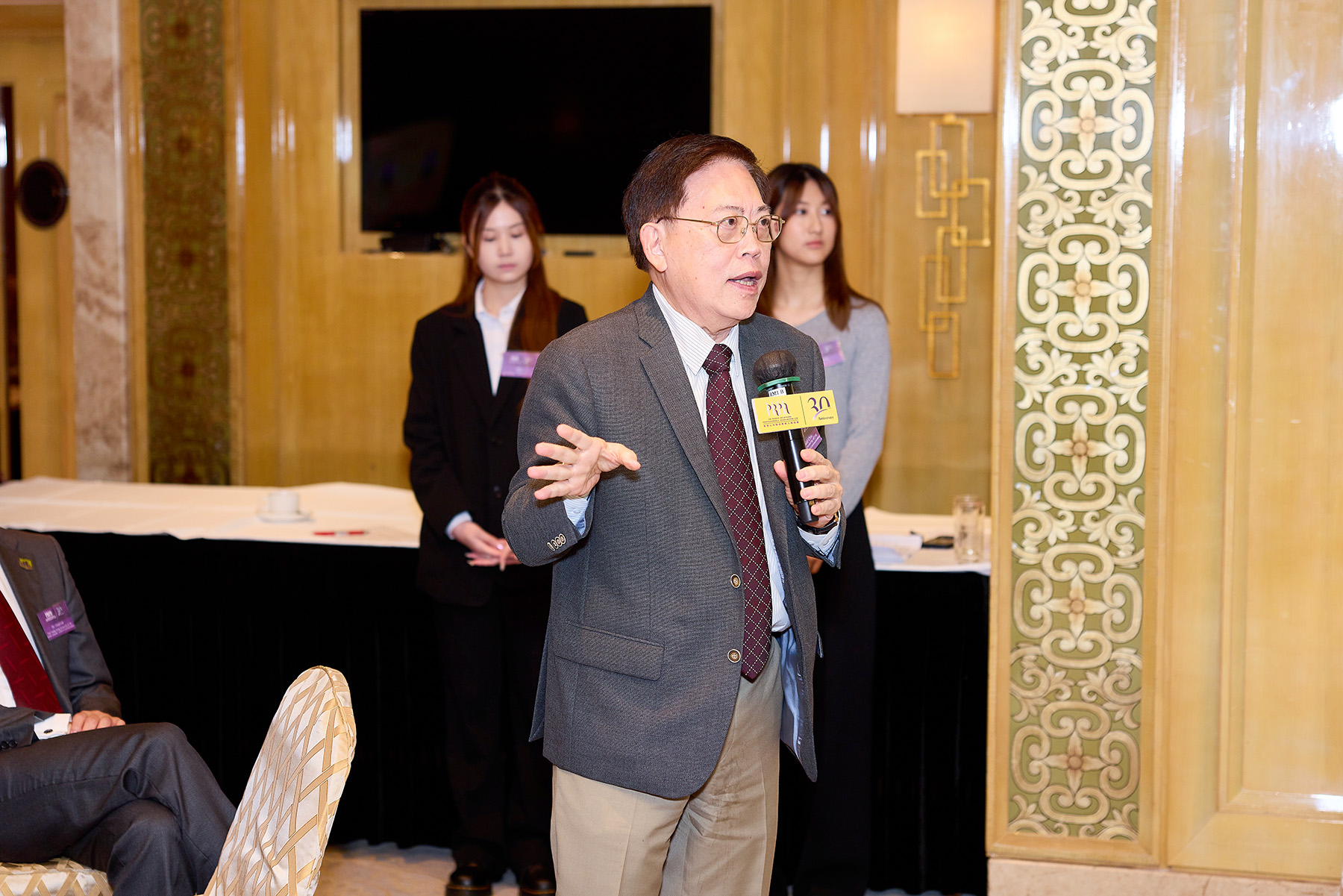
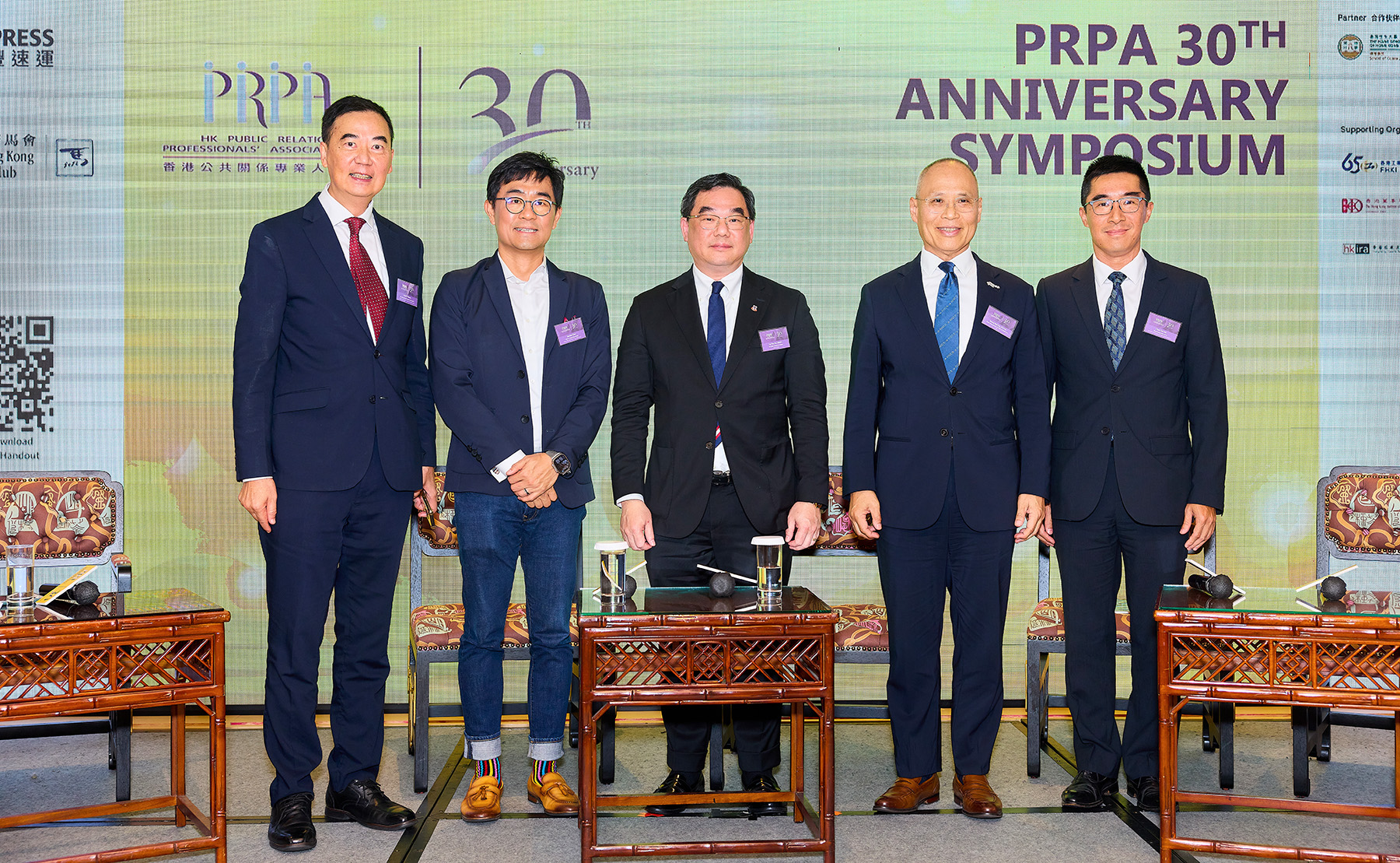
Panel Discussion 1: Mr. C.F. Kwan (Moderator), Professor of Practice (Corporate Communication), The Hong Kong Polytechnic University; Mr. Steven Choi, General Manager of Tencent Cloud Hong Kong and Macao; Mr. Albert Su Yau-on, Executive Director of Tung Wah Group of Hospitals; Mr. Patrick Yeung, CEO of the Hong Kong General Chamber of Commerce; and Mr. Billy Chan Sze-tat, Assistant Commissioner of Police (Public Relations), Hong Kong Police Force.
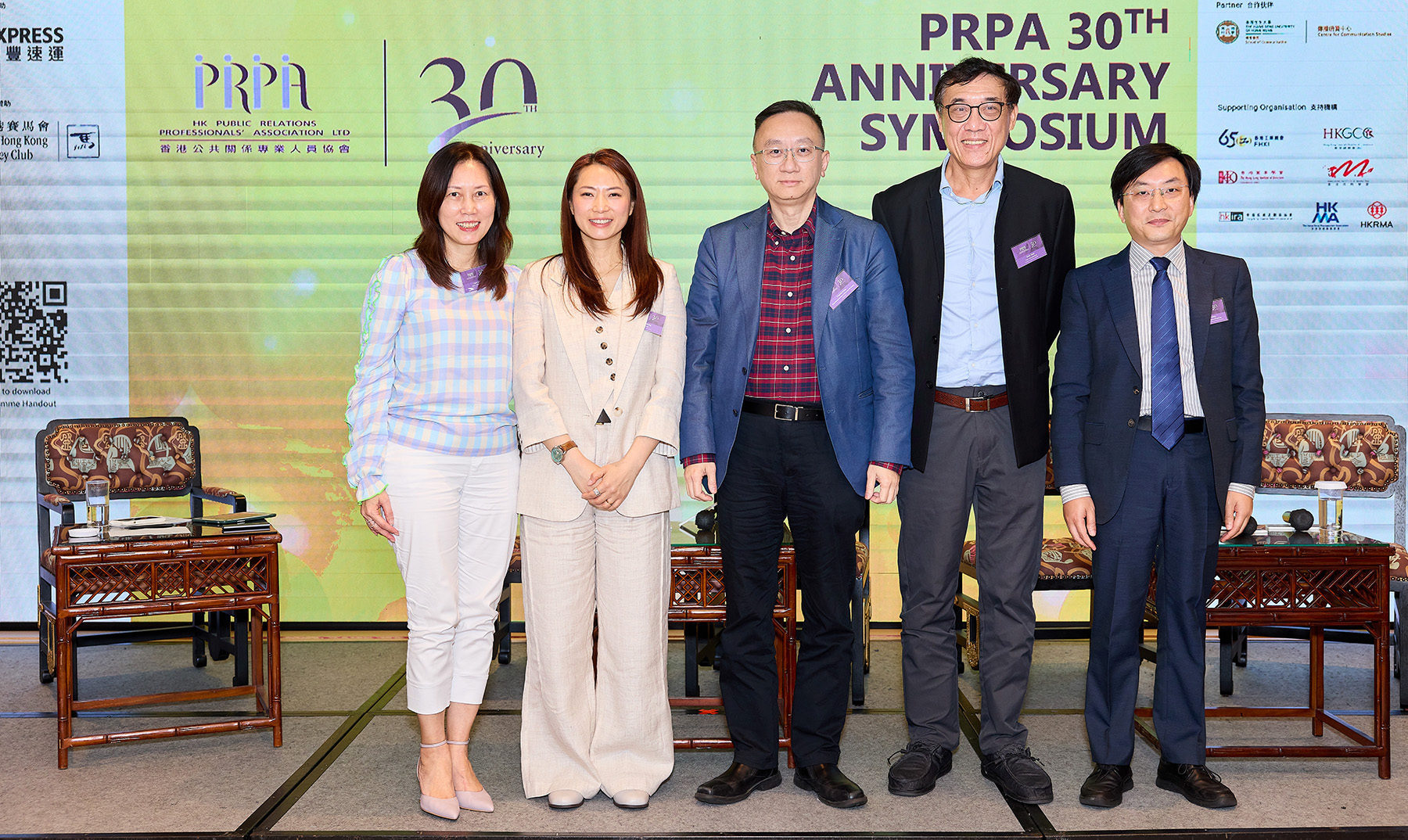
Panel Discussion 2: Ms. Clara Shek, President, Hong Kong and Asia Corporate Reputation Practice Lead, Ogilvy Public Relations; Ms. Bobo Wong, Head of Communication, Microsoft Hong Kong; Mr. Francis Fong, Chairman, Hong Kong Association of Interactive Marketing; Mr. Emil Chan: Chairman, FinTech Committee, Smart City Consortium; Professor Hai Liang, Director, School of Journalism and Communication, The Chinese University of Hong Kong.